
Embark on the journey of Salesforce Lightning Migration with insights on why partnering with a certified consulting firm is crucial for success. Discover the advantages, challenges, and strategies in this transformative process.
Delve into the key elements that differentiate Salesforce Lightning from its Classic counterpart, and how it elevates user experience and operational efficiency.
Why Salesforce Lightning Migration is Important
When it comes to improving efficiency and streamlining processes, migrating to Salesforce Lightning is crucial for businesses looking to stay ahead in today's competitive landscape.
With its modern interface and enhanced features, Salesforce Lightning offers a range of benefits that can greatly impact user experience and productivity.
Benefits of Migrating to Salesforce Lightning
- Improved User Interface: Salesforce Lightning provides a more intuitive and visually appealing interface compared to Classic, making it easier for users to navigate and access information.
- Enhanced Productivity: With features like customizable dashboards, Kanban boards, and enhanced reporting capabilities, Salesforce Lightning empowers users to work more efficiently and make data-driven decisions.
- Mobile Optimization: Salesforce Lightning is optimized for mobile devices, allowing users to access important data and updates on the go, increasing flexibility and productivity.
Key Features of Salesforce Lightning
- Lightning App Builder: Easily create custom applications with drag-and-drop components, reducing development time and enabling rapid customization.
- Lightning Experience: A modern and responsive interface that provides a seamless user experience across devices, enhancing user engagement and satisfaction.
- Einstein AI: Integration of artificial intelligence capabilities through Einstein Analytics and Einstein Bots, enabling advanced data analysis and automation.
Enhanced User Experience and Productivity
By migrating to Salesforce Lightning, businesses can provide their users with a more engaging and efficient platform, leading to increased productivity, improved decision-making, and overall better business outcomes.
Steps to Prepare for Salesforce Lightning Migration
 Before diving into the Salesforce Lightning Migration process, it's crucial to take the necessary steps to ensure a smooth transition. This involves careful planning, data migration strategies, and user training to maximize the benefits of the new platform.
Necessary Steps Before Starting the Migration Process
- Conduct a thorough assessment of your current Salesforce setup to identify any customization or integrations that may be impacted by the migration.
- Create a detailed migration plan outlining the timeline, resources needed, and key objectives for the migration process.
- Communicate with stakeholders across the organization to ensure buy-in and support for the migration.
- Backup your data to prevent any loss during the migration process.
Data Migration Planning and Execution
- Map out your data migration strategy, including which data needs to be migrated, how it will be migrated, and any data cleansing or transformation needed.
- Utilize data migration tools or consult with experts to ensure a smooth and accurate transfer of data to the new Lightning platform.
- Perform thorough testing of the data migration process to identify and resolve any issues before the actual migration.
Importance of User Training and Change Management Strategies
- Develop a comprehensive user training program to familiarize users with the new Lightning interface and features.
- Provide ongoing support and resources for users to address any challenges or questions they may have during the transition.
- Implement change management strategies to manage resistance to change and ensure a successful adoption of the new platform.
- Monitor user feedback and performance metrics to continuously improve the user experience post-migration.
Working with a Certified Consulting Partner
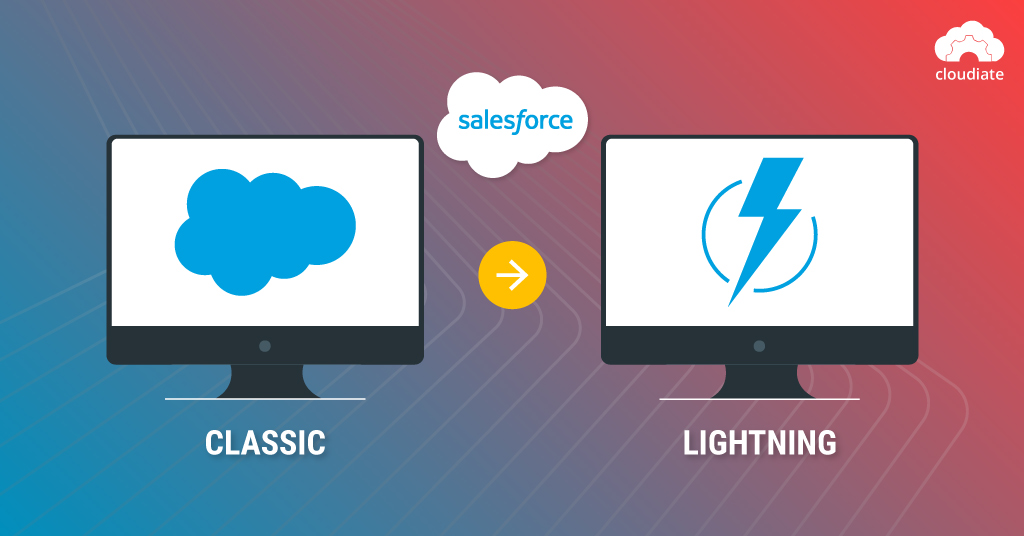
When embarking on a Salesforce Lightning migration, partnering with a certified consulting partner can make a significant difference in the success of your project. These partners are experts in Salesforce technologies and have the necessary certifications to ensure a smooth transition to Lightning.
Role of a Certified Consulting Partner
A certified consulting partner plays a crucial role in guiding organizations through the complexities of Salesforce Lightning migration. They have the expertise to assess your current system, develop a migration strategy, and implement the necessary changes to ensure a seamless transition.
Benefits of Collaborating with a Certified Consulting Partner
- Access to specialized expertise: Certified consulting partners have in-depth knowledge of Salesforce Lightning and can provide valuable insights to optimize your migration process.
- Efficiency and speed: With their experience, certified partners can expedite the migration process, saving time and resources for your organization.
- Customized solutions: Certified partners can tailor their approach to meet your specific business needs, ensuring a personalized migration experience.
- Ongoing support: After the migration is complete, a certified partner can continue to provide support and assistance for any post-migration issues that may arise.
Expertise and Guidance throughout the Migration
A certified consulting partner can provide expert guidance at every stage of the migration process. From initial planning and assessment to implementation and post-migration support, they can offer valuable advice and best practices to ensure a successful transition to Salesforce Lightning.
Challenges in Salesforce Lightning Migration
As organizations embark on the journey of migrating to Salesforce Lightning, they often encounter various challenges that can impact the success of the migration process. It is important to be aware of these challenges and have strategies in place to overcome them effectively.
Data Migration Challenges
One of the major challenges in Salesforce Lightning migration is ensuring the seamless transfer of data from the existing system to the new Lightning environment. This process can be complex, especially when dealing with large volumes of data or data stored in different formats. To overcome this challenge, organizations need to carefully plan and execute a data migration strategy that includes data cleansing, mapping, and validation processes.
User Adoption Challenges
Another common challenge faced during Salesforce Lightning migration is ensuring user adoption of the new platform. Employees may resist change or struggle to adapt to the new interface and features of Salesforce Lightning. To address this challenge, organizations should invest in comprehensive training programs, provide ongoing support, and actively involve users in the migration process to increase buy-in and acceptance.
Customization Challenges
Customization can also pose challenges during Salesforce Lightning migration, especially if organizations have heavily customized their existing Salesforce Classic environment. It is crucial to evaluate existing customizations, identify those that are essential, and prioritize them for migration to Lightning. By working closely with a certified consulting partner, organizations can develop a clear roadmap for customization and ensure a smooth transition to Salesforce Lightning.
Outcome Summary
In conclusion, navigating through Salesforce Lightning Migration with a certified consulting partner is not just a choice but a necessity for organizations looking to maximize their CRM potential. Embrace the change, overcome challenges, and unlock the full benefits of Salesforce Lightning.
Popular Questions
What are the benefits of migrating to Salesforce Lightning?
Migrating to Salesforce Lightning offers a modern user interface, enhanced productivity features, and improved customization options.
How can a certified consulting partner help in Salesforce Lightning migration?
A certified consulting partner provides expertise, guidance, and support throughout the migration process, ensuring a smooth transition.
What are some common challenges faced during Salesforce Lightning migration?
Common challenges include data migration complexities, user adoption issues, and integration hurdles that require strategic planning to overcome.